


Sensory design, the deliberate use of sight, sound, smell, touch, and taste in a physical space, is one of the most effective tools for differentiating a retail or restaurant brand. Mood Media found that 90 percent of shoppers are more likely to revisit a business when the music, visuals, and scent create an enjoyable atmosphere. Seventy-five percent say they will stay longer.

The challenge is not creating a sensory experience in one location. The challenge is making it repeatable. Chute Gerdeman designed Lilly Pulitzer’s Palm Beach store with ocean breeze pathways, luxurious textures, and an orange juice bar. Those specific design choices work because the store was built for them. When sensory design concepts need to translate across 30 locations with different HVAC systems, square footages, and landlord restrictions, the original intent can degrade quickly without the right execution framework.
“Sensory marketing can turn a one-time customer into a loyal repeat brand advocate. By appealing to all five senses, retailers can solidify their store as a must-visit place for shoppers by creating an unforgettable experience that just can’t be replicated online. If you want to give your brick-and-mortar store an edge over e-commerce competitors, follow these tips for incorporating sight, smell, taste, touch, and sound into your retail experience.” – The U.S. Chamber of Commerce
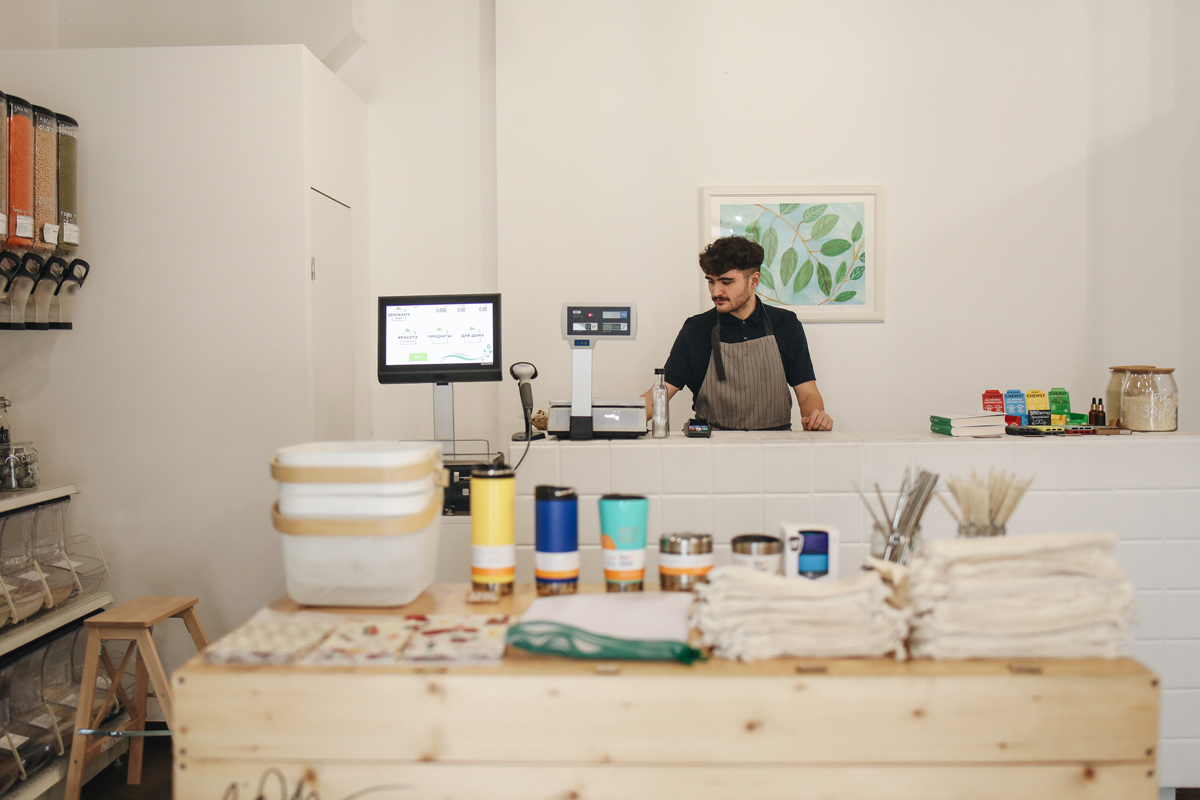
How to Incorporate the Senses
Not every interaction with a customer will deliver a sensory experience that includes all five senses. But it’s important to consider all five sensory elements and determine which senses can best enhance your brand’s story.
Sight
The visual experience is, in most cases, the first sensory experience a customer will have with a brand, and it can start well before they set foot in a store. The logo, website, social media, online menus (food photography, clear descriptions of menu items), and color schemes all play into the visual experience. Once they step inside a store or restaurant, the visual experience continues. Lighting, menu boards, digital signs, and displays all play a part, but so does simple order and cleanliness. Neil Saunders pokes fun regularly at Macy’s for their inability to deliver a visual experience that delights customers, despite knowing that sight is typically the first interaction a shopper has with the brand.

Sound
Music plays a powerful role in shaping the mood of a restaurant or retail space, and it should align naturally with the brand and intended atmosphere. In restaurants especially, every sound contributes to the environment – from the clanging of pots and pans to the hum of conversation and the sizzle of fajitas arriving at a nearby table. Together, these details can heighten anticipation or disrupt the atmosphere.
Smell
Smell needs little explanation in a restaurant setting, where aroma is woven into the dining experience. But scent can be just as influential in other retail environments. Can a brand create a signature fragrance that customers instantly recognize? When used thoughtfully and with balance, scent becomes one of the most powerful tools in sensory marketing in retail, shaping perception, reinforcing brand identity, and creating emotional connections that linger.
Scent diffusion requires dedicated HVAC integration in most retail environments. Systems range from simple plug-in diffusers for small spaces to commercial-grade HVAC-connected systems for larger footprints. The cost and complexity vary significantly by location, and landlord approval is typically required in multi-tenant properties. These are decisions that need to be made during the design phase, not after construction begins.
“[The] brain regions that juggle smells, memories and emotions are very much intertwined. In fact, the way that your sense of smell is wired to your brain is unique among your senses.” – Live Science

Touch
Touch is an often-overlooked sense in both retail and restaurant environments, yet it plays a powerful role in the customer’s sensory experience. From the feel of fabric before making a purchase to the weight and balance of silverware at a table, tactile details shape how a space is perceived and remembered.
Fast Casual points out that not all touch is physical and that personal space is a part of the overall sensory experience. A person’s figurative sense of touch may also be impacted by their perception of personal space. For example, if you’re sitting alone at a small table near a wall, you would probably feel cozy and secure. However, if that same table were positioned in the middle of the room surrounded by the hustle of others, they would now likely feel exposed and possibly invaded.
Taste
Although taste is an obvious piece of the sensory experience in a restaurant – as seen with the orange juice bar at Lilly Pulitzer – retailers can also benefit from developing signature flavors. Whether offering coffee or tea to shoppers or becoming known for a signature cinnamon bun, taste can create a meaningful point of connection. Because taste and smell are closely linked, pairing the two can deepen brand recognition and strengthen emotional impact.
When these elements work together intentionally, they form the foundation of a cohesive sensory marketing strategy.

“Modern chefs are recognising that flavour is more potent than taste as it engages all the senses and can evoke nostalgia, reminiscence, and emotion. Using audio and other sensory influences enables them to enhance the flavours of their dishes and make them more memorable. Curious, up-for-anything diners are just as hungry for enhanced dining experiences that play on all their senses. What’s more, they are willing to pay a pretty penny for them.” – CordonBleu
Grocery Stores Embrace Sensory Marketing
Grocery stores are highly competitive. According to Vericast, the average grocery shopper visits four different retailers for groceries. So how can a grocer keep shoppers coming back through multisensory experiences?
Albertsons leaned into scent in 2022 by piping in the smell of cheesecake at Philadelphia cream cheese displays in certain stores. Vericast, however, points to visual marketing – particularly the printed circular – as the most essential form of sensory marketing for grocers. Much like the holiday toy catalog for retailers, the circular continues to defy the pull of a fully digital world, giving shoppers something tangible to see and hold as they plan their purchases.
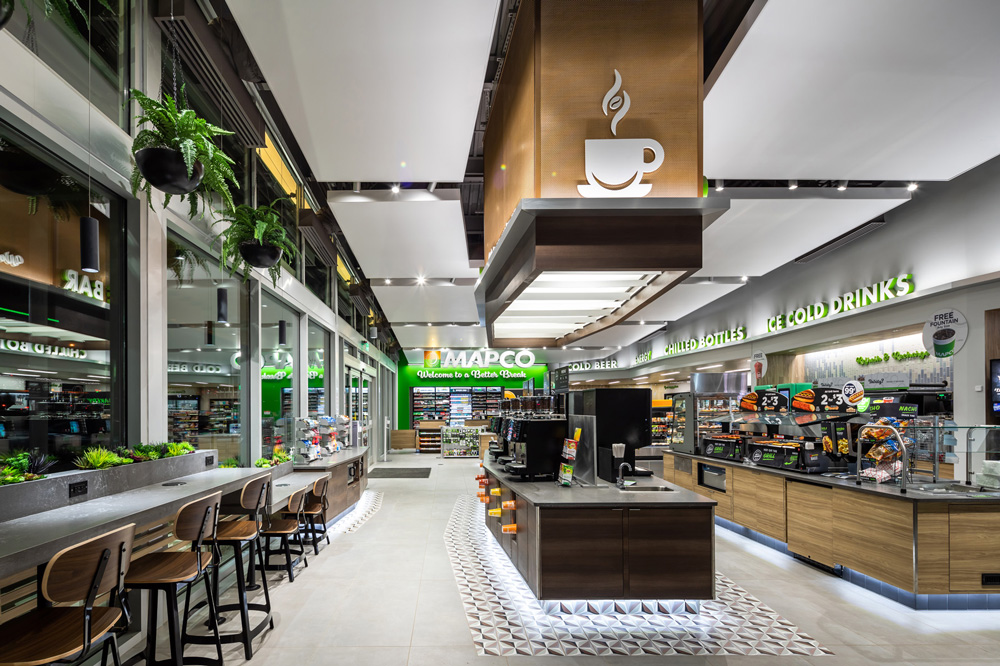
C-Stores Deliver Multisensory Experiences
While not every c-store can be an Omega Mart, convenience stores are leveling up by delivering a better, more personalized experience to customers. A great example is MAPCO, which has shifted the perception of the convenience store, turning what was once a quick stop into a destination where customers can linger and connect.
What Mood Media’s Research Shows About Multisensory Retail Impact
The data on sensory marketing effectiveness is specific and consistent. Mood Media found that 75 percent of shoppers stay longer when they enjoy the music, visuals, and scent of a business. Ninety percent are more likely to return. And 43 percent of consumers have made a purchase based on digital signage they saw in-store.
When multiple senses are engaged simultaneously, the effect compounds. A visual display paired with complementary sound and scent creates a more cohesive impression than any single element alone. In restaurant environments, the combination of aroma, presentation, ambient sound, and tactile details (the weight of silverware, the texture of a menu) shapes the experience at a level that customers feel but may not consciously identify.
For brands managing multiple locations, the question is how to deliver these results consistently. Sensory specifications need to be documented with the same rigor as other design standards: what scent system, what music programming, what lighting temperature, what material finishes. When sensory design is treated as a construction specification rather than an afterthought, it becomes repeatable. When it is left to individual store managers to interpret, it drifts.