

share this article
Outlet Malls Coming Into Their Own?
A few months ago, Lauren Zullo posed the question, “Are outlet malls the malls of the future?” While outlets are not new to the retail landscape, we believe the more accurate framing is this: outlet malls are entering their next phase of evolution.
Outlets have been a strong-performing format for more than a decade. Their current momentum is less about emergence and more about adaptation. As consumer expectations shift and retail portfolios diversify, outlet centers are rethinking how they show up for both shoppers and brands.
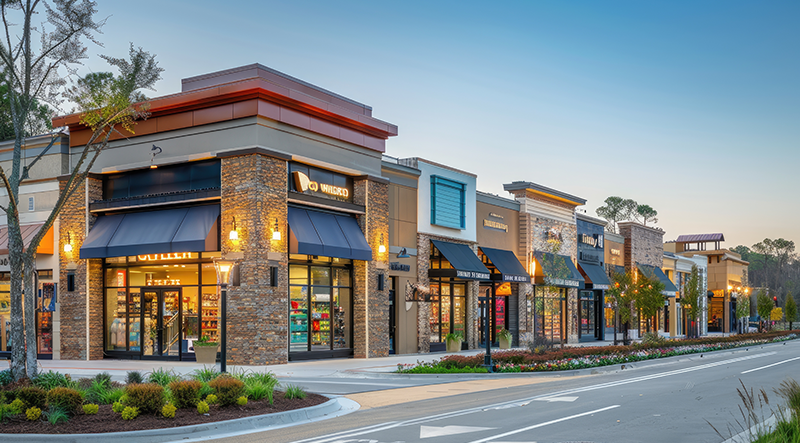
Where We Think Outlet Malls Are Headed
Outlet malls have been evolving for years. Originally, they served a clear purpose: clearance. Excess inventory and prior-season goods attracted value-driven consumers willing to travel for deals.
Over time, that model changed. Traditional national mall brands began opening outlet locations and experimenting with the balance between clearance inventory and product designed specifically for outlet distribution. Today, most major brands operate manufactured-for-outlet programs, creating dedicated assortments that protect margins while still delivering value.
That success has had two important effects. First, it has made outlets a core channel for many brands rather than a secondary one. Second, it has attracted newer and more exciting retail concepts into outlet centers. At the same time, many outlets have become more hybrid in nature, continuing to offer discounted and outlet-specific merchandise while also allowing select full-price or traditional retail tenants to enter the mix. This broader tenant strategy expands appeal and keeps centers relevant to a wider audience.
Retailers are also leaning into the experience economy, and outlets are no exception. Consumers still value the perception of savings, but they increasingly expect more from a trip than transactions alone. Dining, events, and social experiences now play a larger role in how outlet centers drive traffic and dwell time.
It is also worth noting that the traditional notion of outlet malls being “out of town” has shifted. While that was historically true, nearly all new outlet development over the past decade has been in-market, typically suburban but well within major MSAs. This has made outlets more accessible and better positioned to compete with lifestyle centers and other open-air formats.

Outlet Malls Leading the Way
There are outlet centers that have become must-visit destinations, showing how the model continues to adapt.
Woodbury Common Premium Outlets is a long-standing example of outlet evolution at scale. With more than 250 stores, it attracts both domestic and international shoppers seeking high-end brands at outlet pricing. Beyond retail, Woodbury Common has incorporated seasonal events, art installations, and brand activations that enhance the overall experience without losing sight of its outlet foundation.
As outlet centers look to evolve, it is important to distinguish between true outlet assets and other retail formats. Some are often cited in experiential retail conversations, but are not an outlet mall. They can be high-end, mixed-use, urban shopping center with a premium and luxury tenant mix. While instructive from an experience standpoint, it should not be positioned as part of the outlet category.
Similarly, not all outlet properties represent the future direction of the format. Some outlets have faced performance challenges relative to other premium outlet centers and is not necessarily a model for where the channel is headed.
Why Experiential Retail Still Matters for Outlets
The shift toward experience-driven retail is not about replacing value. It is about reinforcing it.
Food offerings have improved, entertainment and event programming has expanded, and stores themselves have become more interactive. Brands are using outlet locations for pop-ups, limited activations, and storytelling moments that extend beyond price. These elements help outlets compete for time and attention, not just dollars.
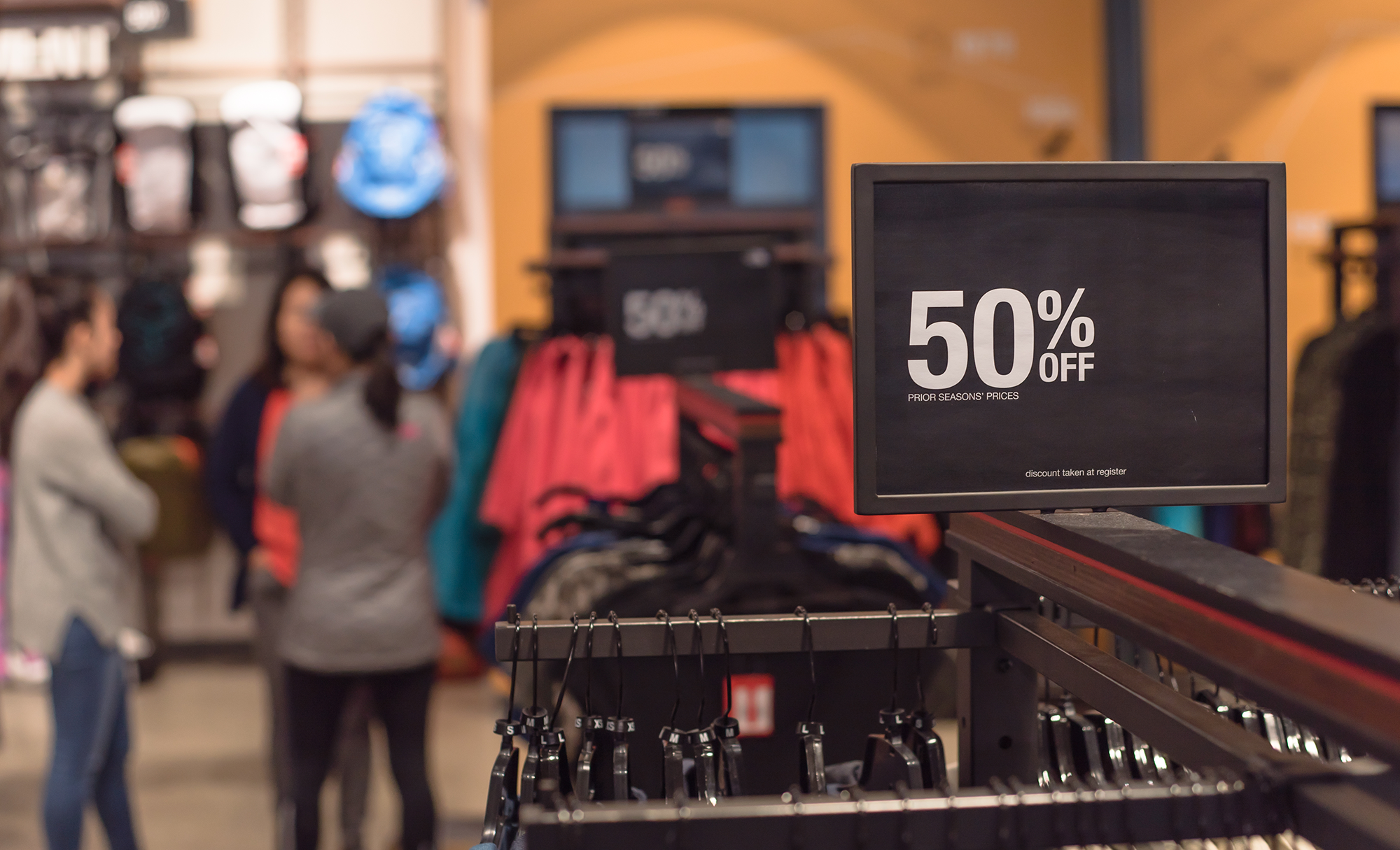
The Road Ahead
Outlet malls are not reinventing themselves because the model is broken. They are evolving because it works.
The next chapter for outlets is about diversification within discipline. Hybrid tenant mixes, experiential layers, and selective mixed-use strategies will help the strongest centers continue to outperform. The outlet mall of the future will still be rooted in value, but it will also reflect how consumers shop, spend time, and engage today.
Outlets are not coming into their own. They are proving that even a mature format can adapt and stay relevant when evolution is intentional.