

share this article
Mixed-use developments offer retailers a fundamentally different operating environment than standalone locations or traditional shopping centers. The built-in residential population generates baseline foot traffic. Office and hotel components add weekday and visitor volume. The result, when the tenant mix is right, is steadier demand across dayparts and seasons.
The data supports the shift. Mixed-use retail spaces carry occupancy rates of 90 to 95 percent, compared to 80 to 85 percent for standalone properties, according to ICSC. Foot traffic runs 20 to 30 percent higher, dwell times are 30 to 40 percent longer, and consumers report willingness to spend up to 15 percent more in these environments, per ULI research.
But the execution is more complex than single-use retail. Lease structures are non-standard. Buildouts must work within shared infrastructure. Design must serve a retail audience that includes residents, office workers, hotel guests, and destination visitors simultaneously. For retailers evaluating mixed-use locations, the site selection decision is only the beginning. The real challenge is governing how that decision cascades into construction, design, and lease administration.
What Demand Signals Support Mixed-Use Retail Locations
Urbanization is accelerating. The World Health Organization projects 70 percent of the global population will live in cities by 2050. Housing costs continue to push demand toward mixed-use developments that combine residential, commercial, and public space in a single footprint.
For retailers evaluating site selection, these macro trends translate into specific demand signals. Nearly 80 percent of U.S. adults said they would consider living in a live-work-play community, according to HED. Apartment completions in mixed-use developments quadrupled between 2012 and 2021, rising from 10,000 to 43,700 annually per ICSC data. That residential density creates the baseline foot traffic that supports retail occupancy.
How Diversified Demand Sources Reduce Vacancy Risk in Mixed-Use Properties
Mixed-use developments distribute demand across resident, office, hotel, and entertainment populations. That diversification reduces the property’s dependence on any single traffic driver. When office occupancy dips, residential demand continues. When tourism slows, resident and employee spending provides a baseline.
The data suggests this diversification translates into measurable performance advantages. Mixed-use retail carries occupancy rates of 90 to 95 percent compared to 80 to 85 percent for standalone retail, according to ICSC. Retailers in these environments report average annual sales growth of 5 to 10 percent, roughly double the 2 to 5 percent growth in standalone locations per JLL data.
For retailers and developers, the implication is that mixed-use locations offer a more predictable revenue environment. But that predictability comes with execution complexity that needs to be governed: lease terms differ from traditional retail, buildout requirements are shaped by shared infrastructure, and tenant mix decisions affect the entire property, not just the retail component.
“Walkable mixed-use neighborhoods provide pedestrian access to stores, restaurants, and other businesses without requiring the use of a car for transportation. In addition to promoting a healthy, active lifestyle for residents and convenient access to amenities, mixed-use neighborhoods also decrease car dependency, reducing air pollution and making areas more livable overall. “
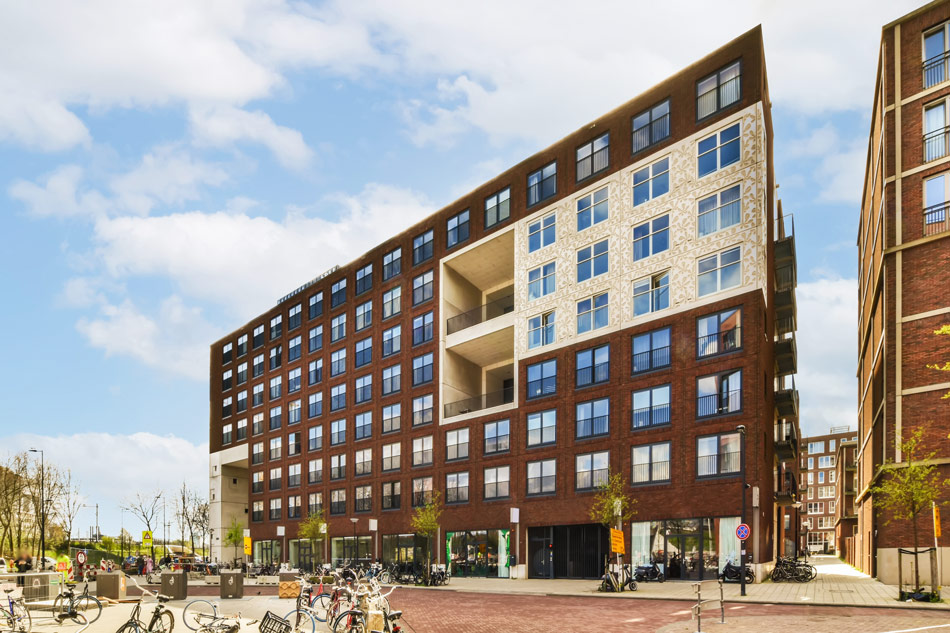
Nearly 80% of U.S. adults said they would consider a residence in a live-work-shop-play community that offered entertainment, dining, work, and recreation opportunities – and the number of apartments completed annually in “live-work-play” developments quadrupled between 2012 and 2021, rising from 10,000 to 43,700, according to a study from the International Council of Shopping Centers (ICSC).
Mixed-use retail is only growing, and savvy retailers are betting on it for their own growth. Demand for retail locations in mixed-use developments is substantial, with more than 60% of retailers expressing a preference for these environments, according to CBRE. That’s why mixed-use retail spaces offer higher occupancy rates, often between 90-95%, compared to 80-85% for standalone retail properties.
Retail spaces in mixed-use developments also command premium rents, typically 10-20% higher than traditional shopping centers, as noted by ICSC. This willingness to pay higher rents is justified by the built-in customer base and vibrant atmosphere provided by the diverse mix of residential, office, and commercial components within mixed-use developments. Sure, rent is on the pricey end, but a study by the Urban Land Institute (ULI) determined that consumers are willing to spend up to 15% more in mixed-use developments compared to traditional retail environments due to the convenience and enhanced shopping experience.
Foot traffic in mixed-use developments is 20-30% higher than in traditional retail locations, as reported by JLL. This increased traffic correlates with longer dwell times, which are 30-40% higher, and improved customer retention rates, up to 20% greater, according to the ULI data. These factors contribute to robust sales growth for retailers, with an average annual sales growth of 5-10%, significantly outpacing the 2-5% growth seen in standalone locations.
What Makes Mixed-Use Retail Execution More Complex Than Traditional Locations
Mixed-use locations offer stronger demand fundamentals, but the execution is more complex across every discipline. The lease negotiation differs from traditional retail: operating hour restrictions, shared amenity costs, parking allocation formulas, and signage limitations all require terms that single-use leases do not address. Tenant representation in mixed-use requires evaluating the deal against the full property context, not just the retail component.
The buildout is more complex as well. Shared infrastructure means construction timelines are interdependent. A retail buildout may be constrained by residential construction phasing, loading dock access schedules, or noise restrictions that do not exist in standalone retail. These realities need to be factored into the project plan before the lease is signed.
Design must serve a retail audience that includes residents (daily convenience), office workers (weekday lunch and errands), hotel guests (evenings and weekends), and destination visitors (events and entertainment). A design concept that works for one audience segment may not work for the others. That tension between audience types is where experience design meets operational reality.
When these decisions are made in isolation, the consequences compound. A lease signed without construction input may commit to a buildout timeline the property cannot support. A design developed without lease context may include elements the operating agreement prohibits. Governing these decisions as a connected system is what separates retailers who succeed in mixed-use from those who struggle.
Developments Embracing the Live-Work-Play Lifestyle
Across both vertical mixed-use towers and expansive horizontal mixed-use developments, leading projects are redefining how retail integrates with residential, office, and public space.
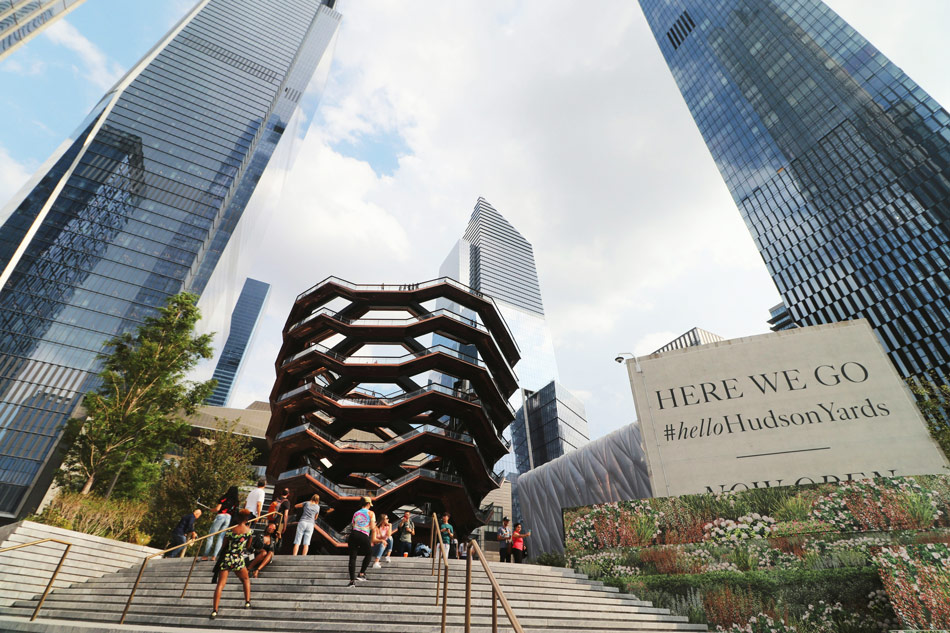
Hudson Yards (NYC) – Hudson Yards is “the largest private real estate development in the history of the United States and the largest development in New York City since Rockefeller Center.” The site will include more than 18 million square feet of commercial and residential space, more than 100 shops, a collection of restaurants, approximately 4,000 residences, The Shed, New York’s first arts center to commission new work across the performing arts, visual arts, and popular culture, 14 acres of public open space, a 750-seat public school and an Equinox Hotel® with more than 200 rooms.
King’s Crossing (London) – King’s Crossing “is the largest mixed-use development to be masterminded in London for over 150-years – an adventurous, dynamic, creatively driven collective in a brand-new postcode, N1C. It’s also the city’s best-connected transport hub, drawing shoppers from across London and all over the UK to visit every day.”
The Center for Potsdamer Platz (Berlin) – The Center for Potsdamer Platz is a 1.2 million square foot mixed-use complex with 67 residential units, almost a million square feet of office space, and over 200,000 square feet of retail. “Additional renewal plans have been made for an immersive entertainment experience, expanded retail, globalized culinary offerings with sustainability programming, and the addition of new fitness and lifestyle amenities. This includes a partnership with Nike, activating part of the public realm.”
How Retail Formats Are Evolving Within Mixed-Use Properties
Mixed-use properties are driving new retail format experimentation. Micro-retail units of 200 to 500 square feet within residential towers serve residents’ daily needs (coffee, dry cleaning, convenience groceries) without the overhead of traditional storefronts. For landlords, these units generate rent from spaces that might otherwise be classified as lobby or common area.
Pop-up and short-term lease models allow developers to rotate retail concepts based on seasonal demand or community feedback. This keeps the retail mix responsive but requires buildout standards that support rapid tenant turnover: standardized utility connections, modular fixturing, and simplified permitting.
Last-mile logistics integration is also reshaping the retail footprint. Mixed-use properties that incorporate dedicated pickup areas and micro-fulfillment space give retailers a local delivery presence without requiring a full storefront. The lease and construction implications differ significantly from traditional retail: loading access, temperature control, and hours of operation all require non-standard terms.
A Bright Future for the Mixed-Use Development
Mixed-use retail is growing for quantifiable reasons: higher occupancy, stronger foot traffic, premium rents, and diversified demand sources. For retailers and developers evaluating these environments, the data supports the thesis.
The execution challenge is what separates good mixed-use retail outcomes from poor ones. Site selection, lease negotiation, construction planning, and design execution all operate differently in mixed-use than in traditional retail. When those decisions are governed as a connected system, the performance advantages compound. When they are not, the complexity of mixed-use works against the retailer rather than for them.